
See the effect in context
Evaluate the motion, depth and composition as part of a real interface instead of selecting an isolated shader.
Immersive web design needs more than a request for a “3D hero.” These prompts describe the visual composition, rendering behavior, interaction, fallback states and surrounding interface needed to turn WebGL into a usable website experience.
Evaluate the motion, depth and composition as part of a real interface instead of selecting an isolated shader.
Prompts cover supporting typography, navigation, calls to action, loading behavior and responsive composition.
Use explicit fallbacks, reduced-motion handling and device testing for experiences that cannot rely on desktop GPU power.
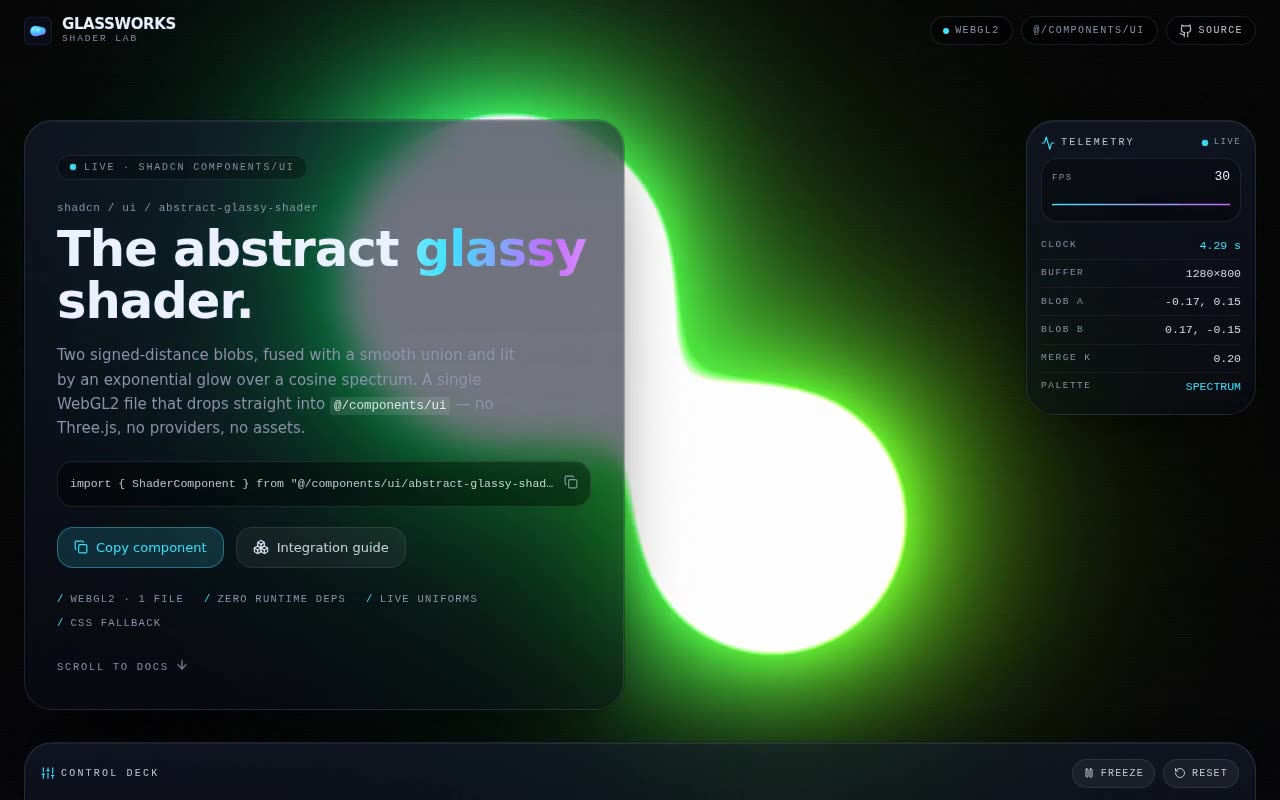
Shaders · Claude AI
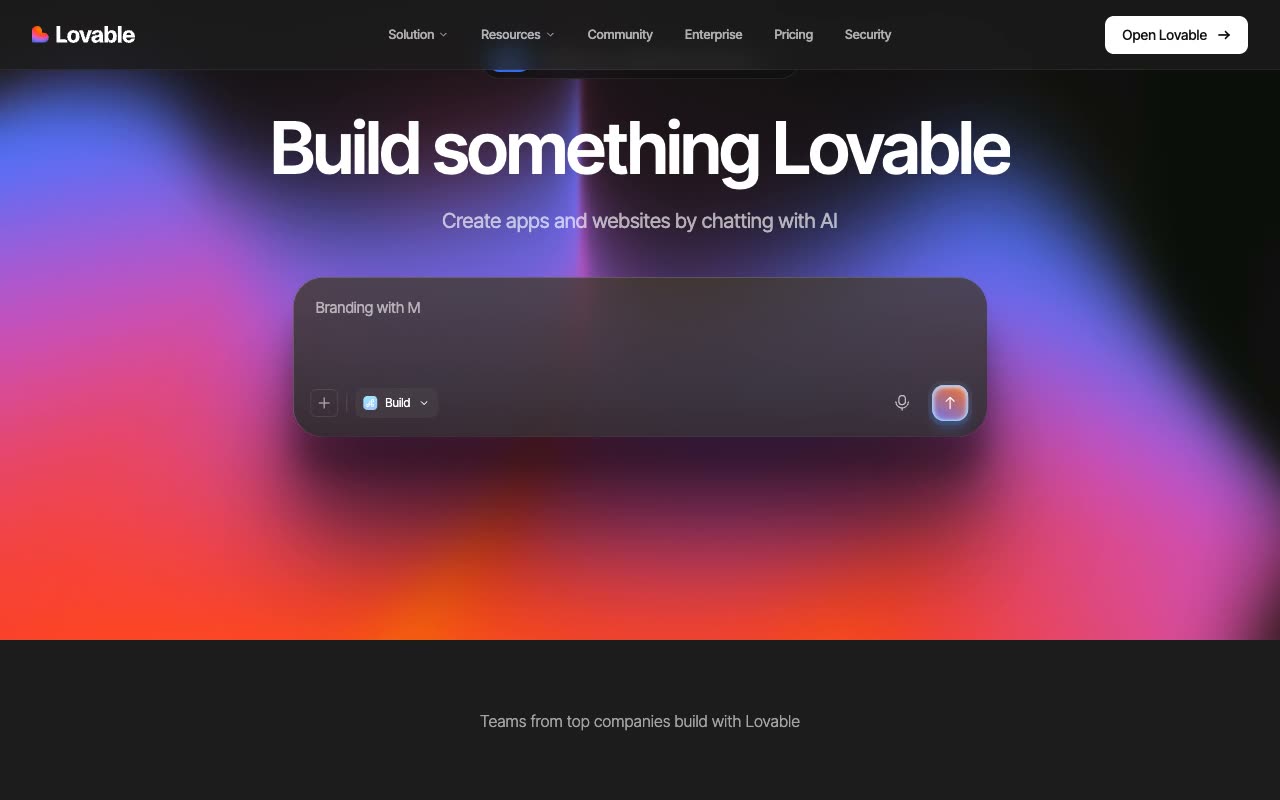
3D & Games · Claude AI

Hero Sections · Claude AI
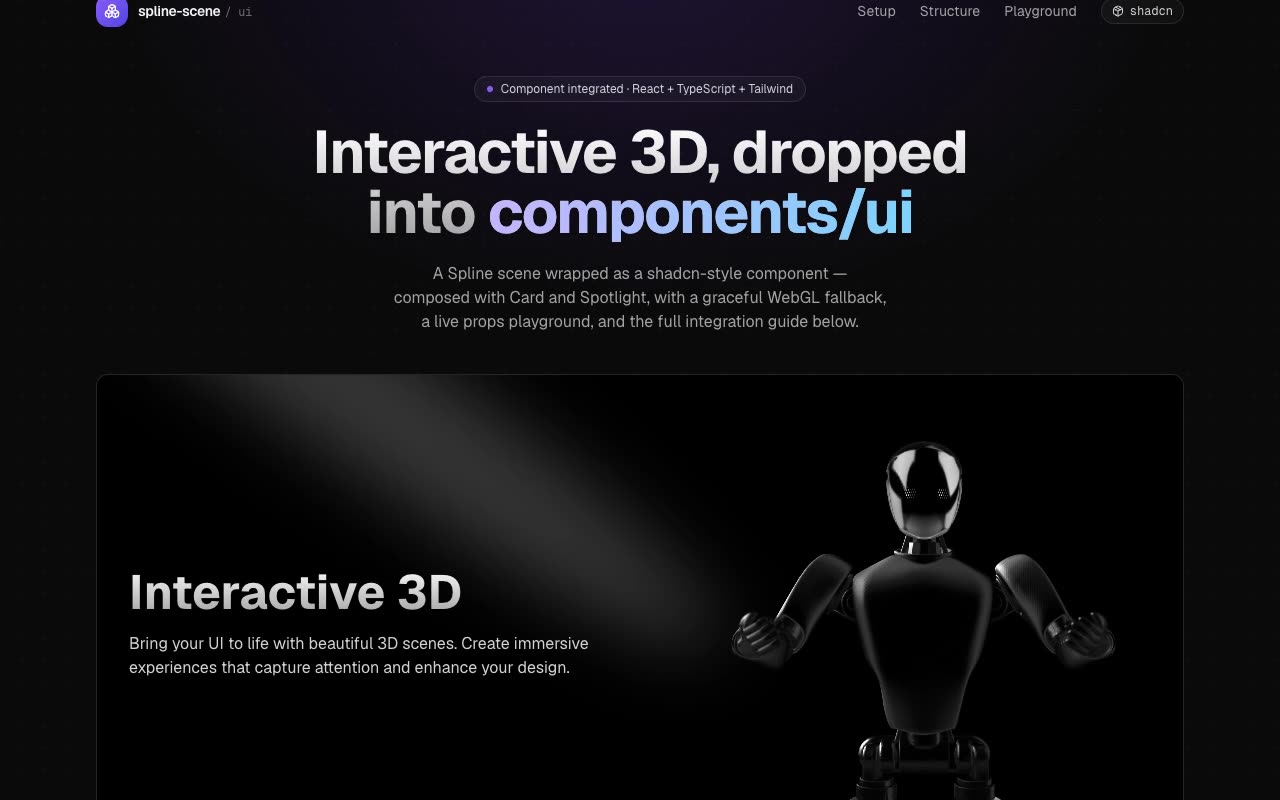
UI Components · Claude AI

Landing Pages · Claude AI

Portfolios · Claude AI

Website Templates · Claude AI

Shaders · Claude AI

3D & Games · Claude AI

Hero Sections · Claude AI

Landing Pages · Claude AI
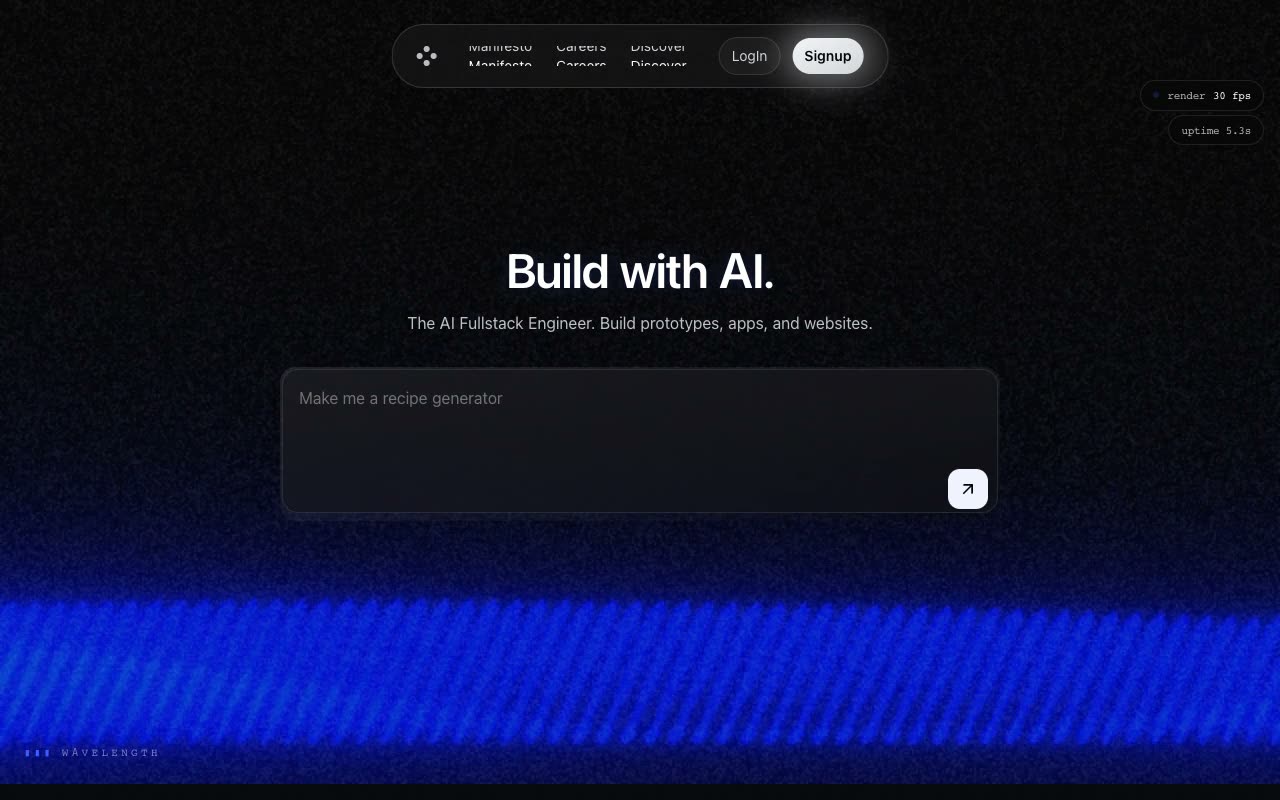
Shaders · Claude AI

Hero Sections · Claude AI

Shaders · Claude AI

Hero Sections · Claude AI

Shaders · Claude AI
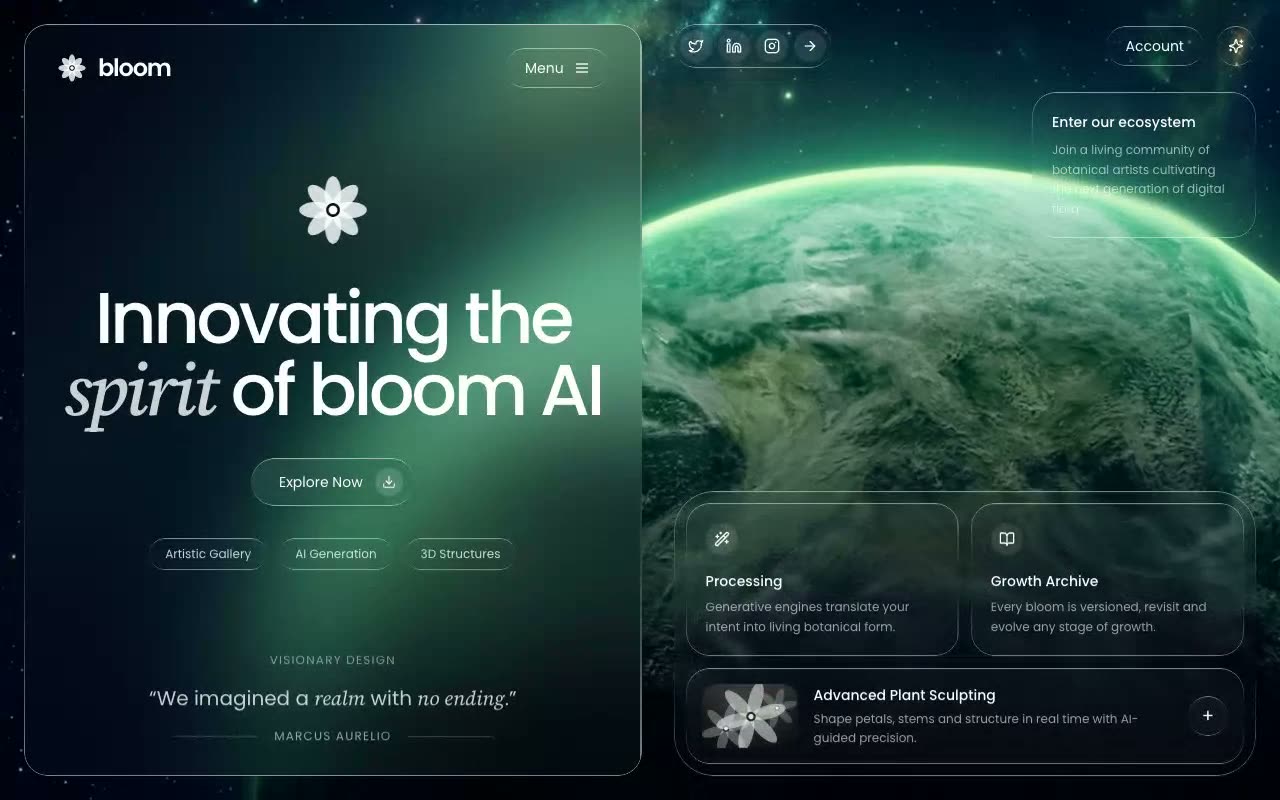
Hero Sections · Claude AI
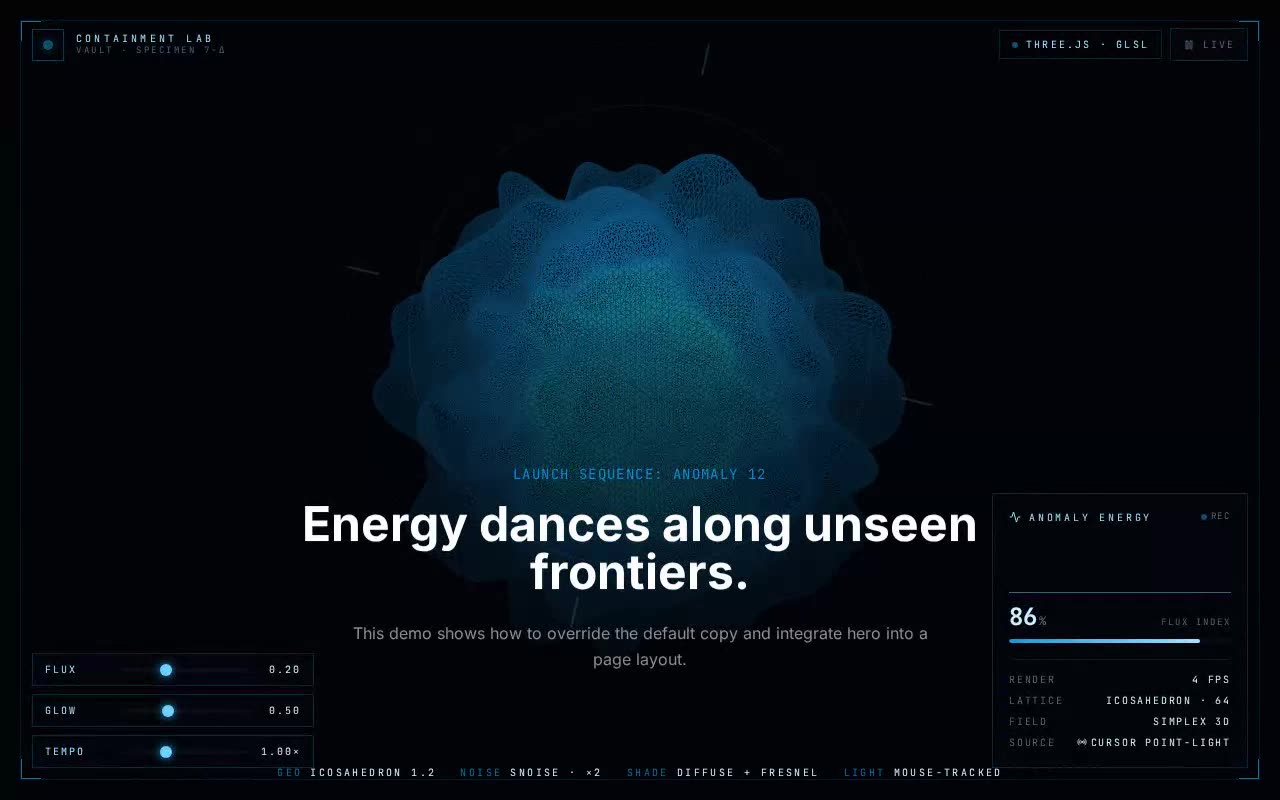
Shaders · Claude AI
Compare shaders, particles, 3D scenes and interactive effects based on the story your product needs to tell.
Let the AI agent inspect your current rendering libraries and browser requirements before changing dependencies.
Measure loading, interaction and frame rate on mobile and desktop, and provide a strong static fallback when needed.
It is an implementation brief for an interface that uses GPU-rendered graphics such as shaders, particles or 3D scenes alongside normal web content.
Not always. The correct library depends on the reference, existing project and desired rendering technique; your coding agent should inspect those constraints first.
Modern phones support WebGL, but performance varies. Use adaptive quality, efficient assets, touch-friendly interactions and a non-WebGL fallback.
They can be when decorative canvases do not replace content, controls remain keyboard-accessible and reduced-motion or static alternatives are provided.