
Agent-ready requirements
Prompts describe the target, responsive states, interactions and technical constraints clearly enough for multi-step implementation.
Claude Code performs best when the objective, constraints and verification criteria are explicit. These prompts translate a finished website preview into a thorough implementation brief that an agent can plan, build, run and refine inside your project.
Prompts describe the target, responsive states, interactions and technical constraints clearly enough for multi-step implementation.
Ask Claude Code to preserve your stack and integrate the chosen visual direction into the project you already maintain.
Encourage the agent to run the application, inspect the result and fix mismatches instead of stopping after file generation.
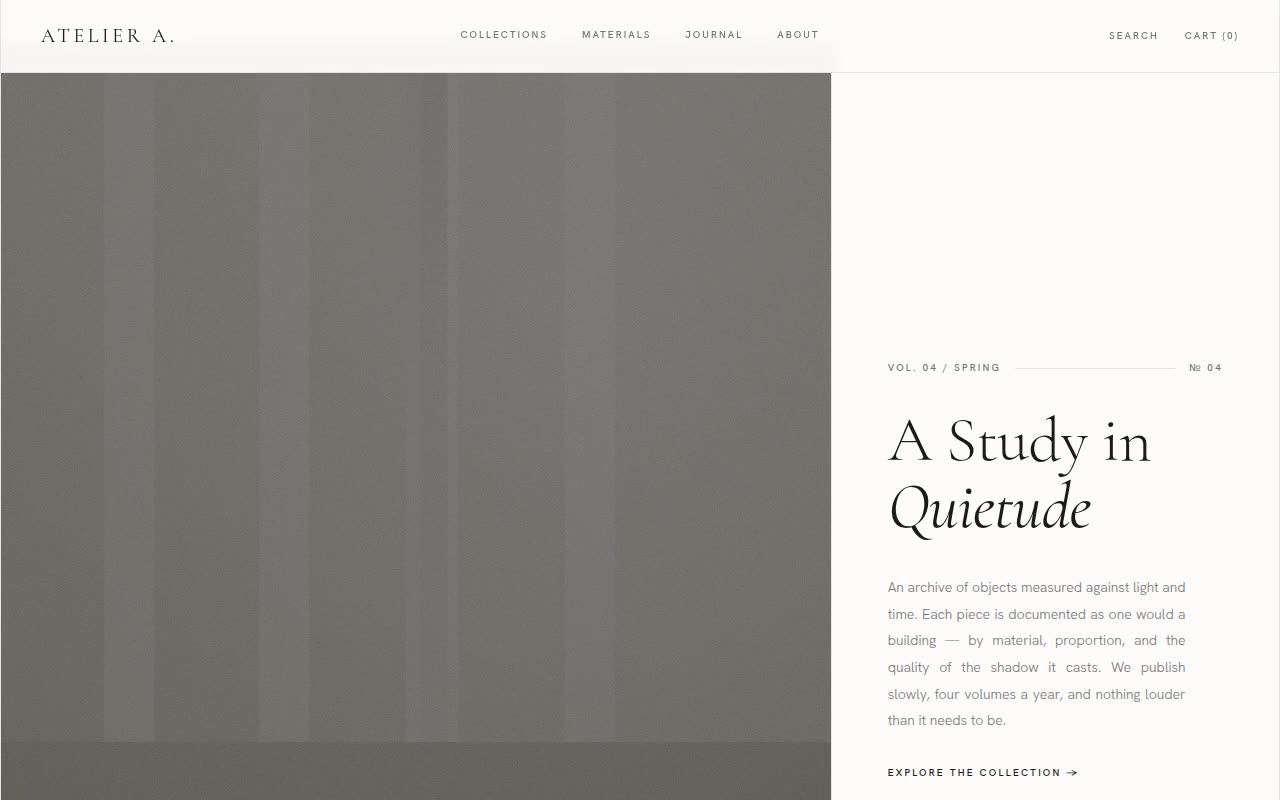
Website Templates · Claude AI

Landing Pages · Claude AI

UI Components · Claude AI

Shaders · Claude AI
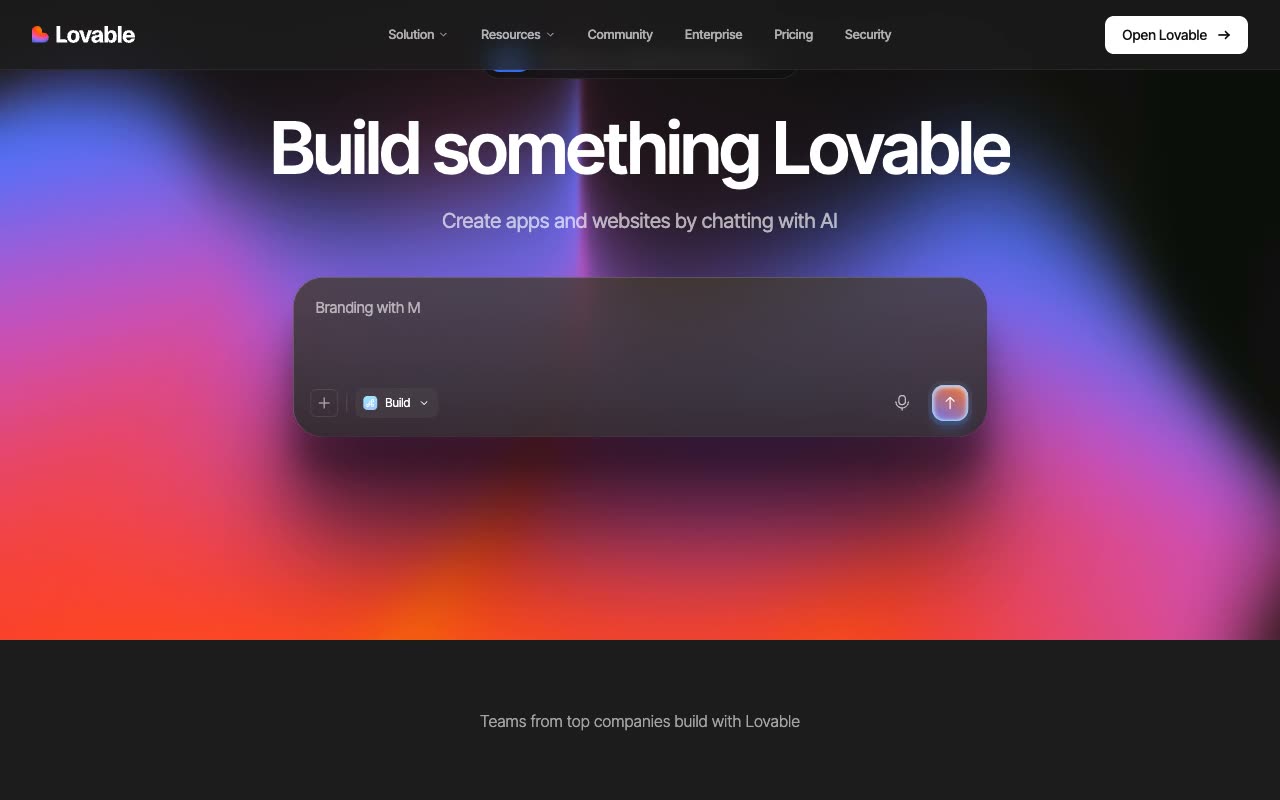
3D & Games · Claude AI

Hero Sections · Claude AI

Website Templates · Claude AI

Landing Pages · Claude AI
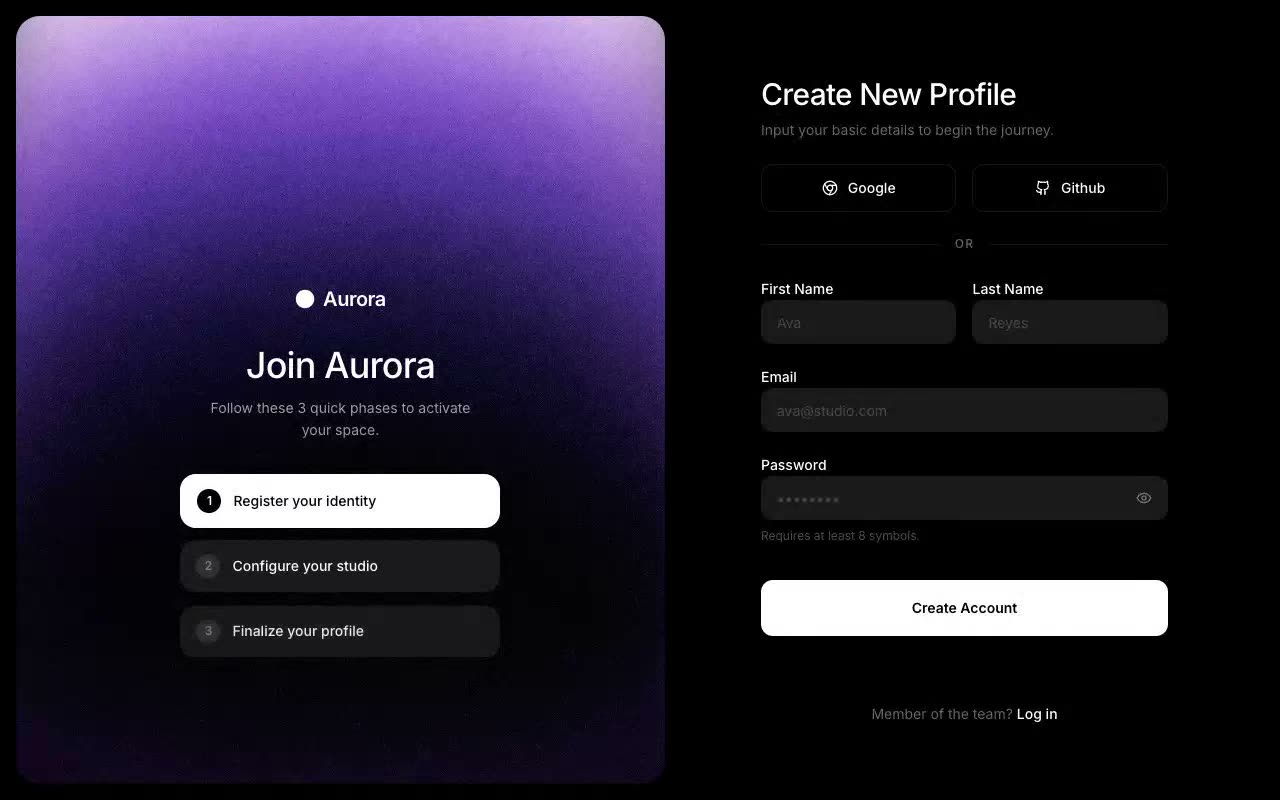
UI Components · Claude AI

Shaders · Claude AI
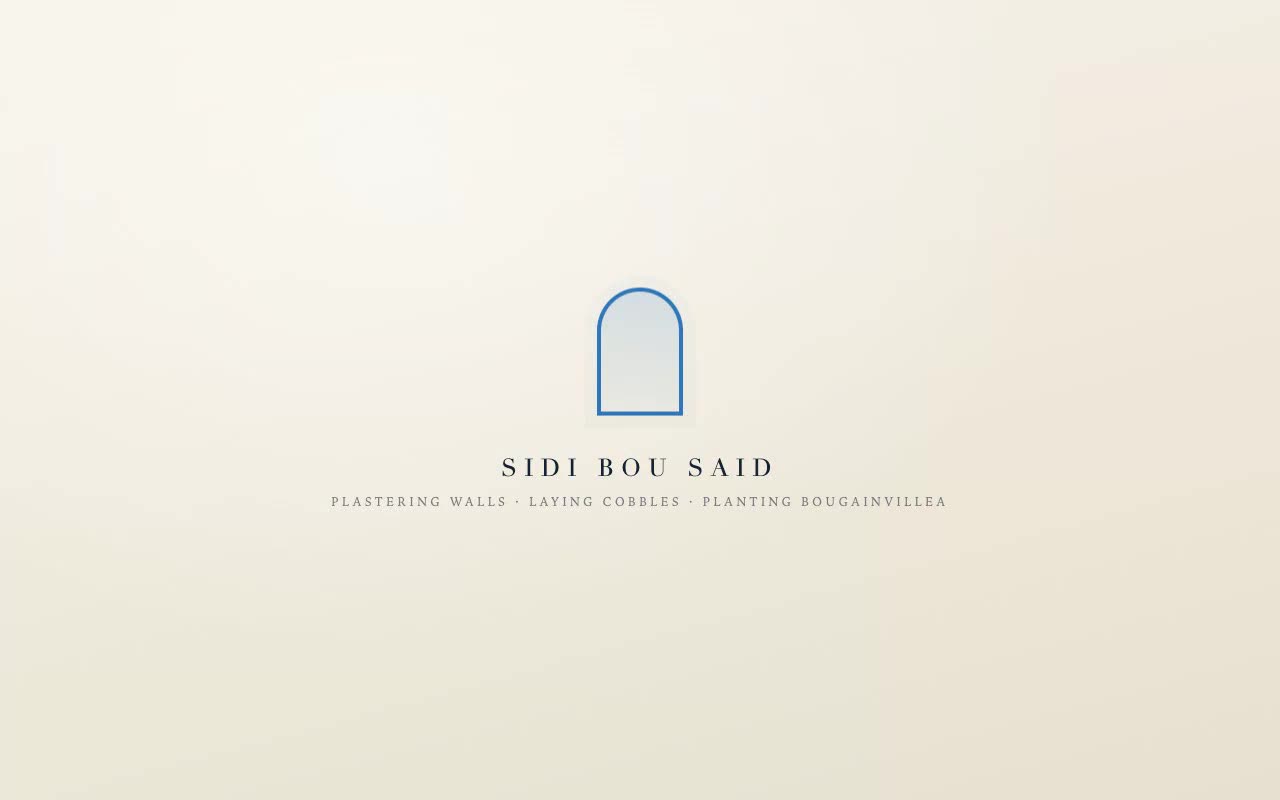
3D & Games · Claude AI

Hero Sections · Claude AI
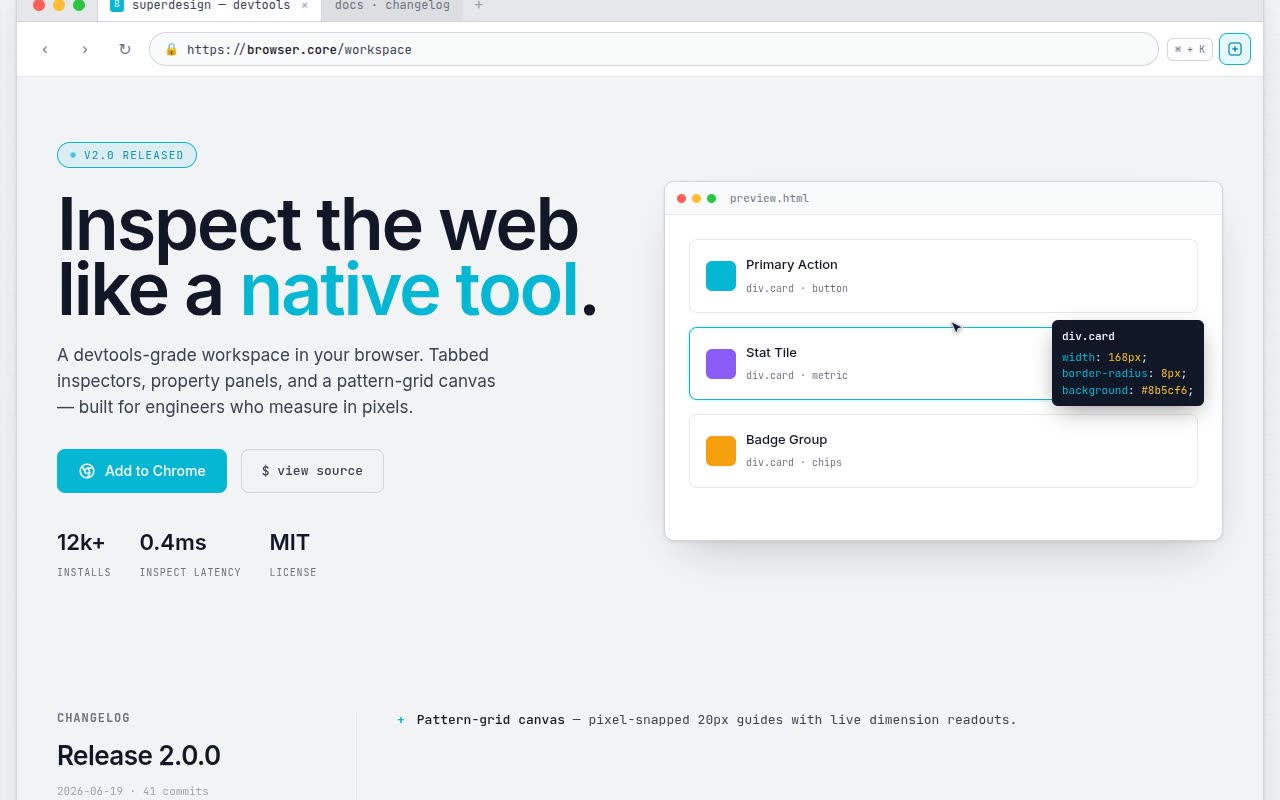
Website Templates · Claude AI
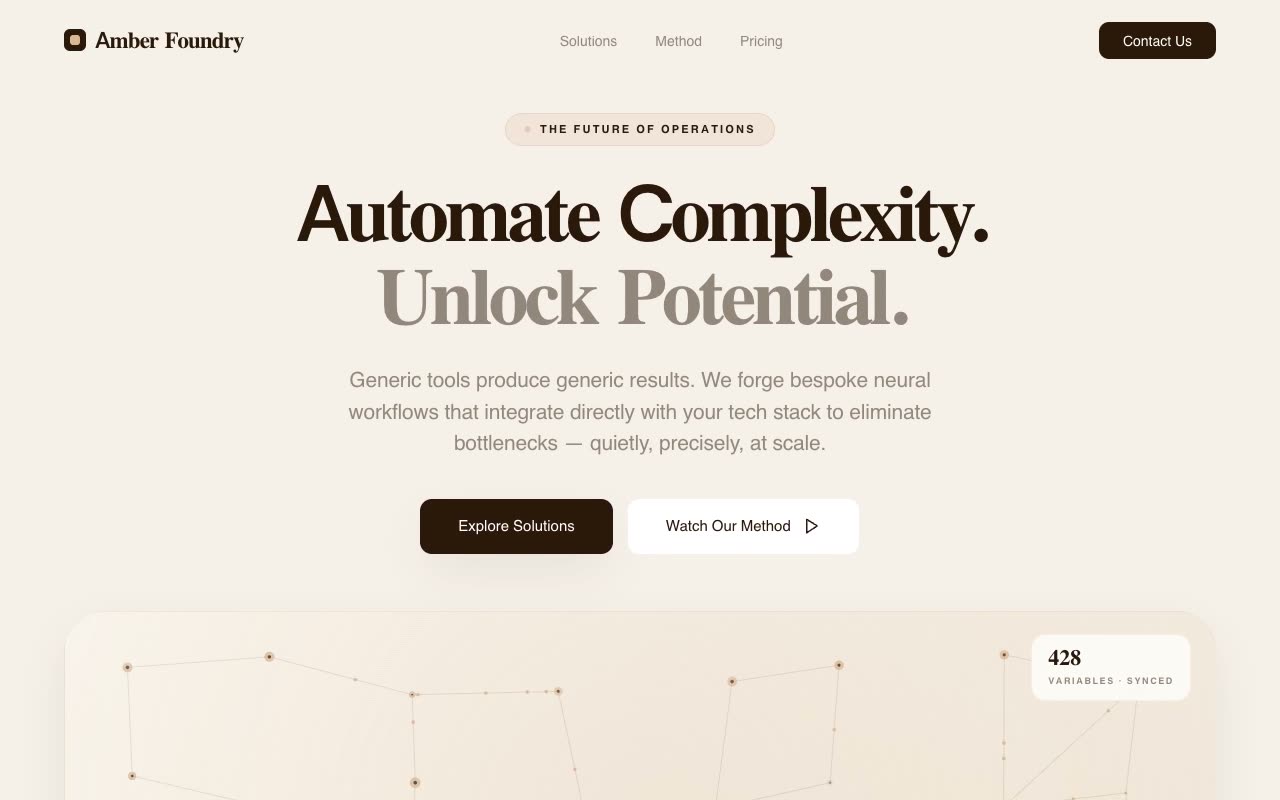
Landing Pages · Claude AI

UI Components · Claude AI
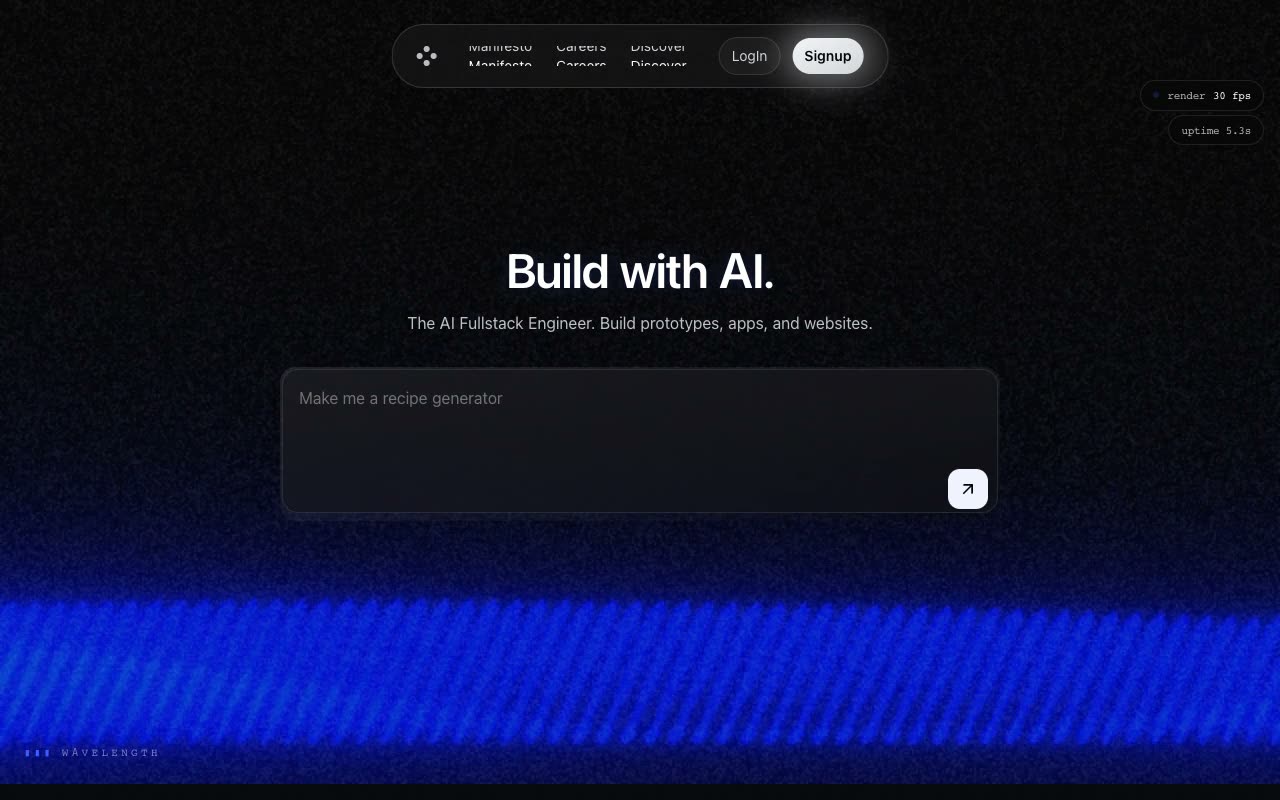
Shaders · Claude AI

Hero Sections · Claude AI

Website Templates · Claude AI
Start Claude Code in the project where the page or component should be implemented.
Paste the unlocked brief and add any repository-specific constraints, content and brand assets.
Require the agent to build, run and verify the implementation while preserving unrelated project code.
They are detailed coding briefs that suit Claude Code well, while remaining compatible with other capable AI coding agents.
Yes. Tell it which route or component to change and explicitly require it to preserve the existing framework, dependencies and unrelated files.
Some briefs include technical requirements, but the agent should inspect your project and choose commands that match its actual stack.
Yes. The detailed constraints work together; removing sections can make the generated result less faithful or less robust.